

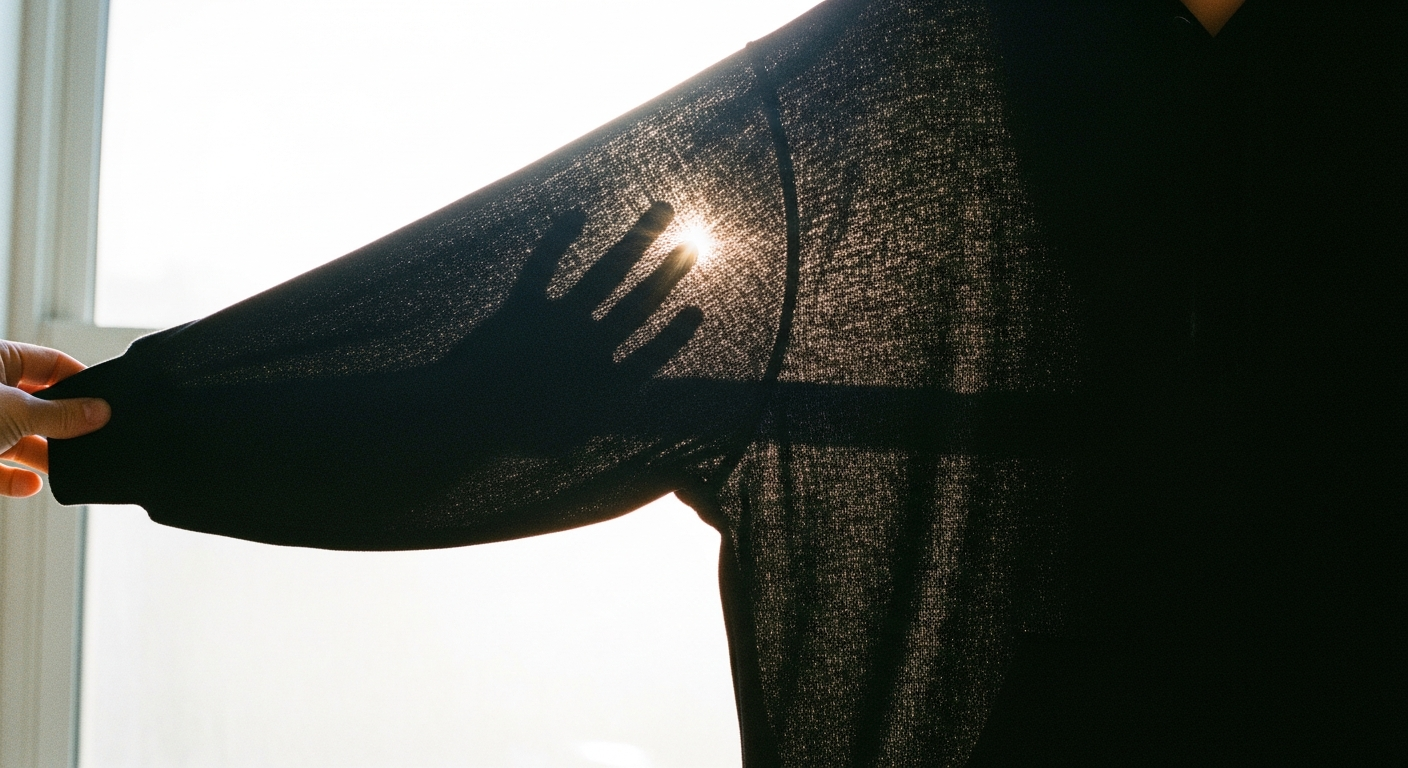
You bought that oversized hoodie everyone was hyping. Posted it. Got the likes. Then washed it once and watched it pill, shrink, and turn into something your younger sibling wouldn't even wear to bed. The graphic tee you thought was thick? Hold it up to a window. You can see straight through. That "premium streetwear" brand charged you $80 for fabric that weighs less than a cereal box.
Most brands aren't hiding the fact that their clothes are disposable — they're just betting you won't notice until after the return window closes. That "oversized fit" is code for cutting corners on weight so they can ship more units for less. A 180GSM hoodie costs almost nothing to produce. It photographs well. It trends for two weeks. Then it's in a donation bin or a landfill. The cycle repeats because the industry profits from you replacing your wardrobe every season, not from building something that lasts past midterms.
GSM — grams per square meter — is how fabric density is measured. It's the difference between something that feels substantial in your hands and something that feels like it's already halfway to falling apart. 440GSM and above is where heavyweight cotton starts. It's structured. It holds its shape. It doesn't betray you after one wash. PØM's Industrial Tier starts at 440GSM because anything less doesn't survive how teens actually live — thrown in a backpack, worn three days in a row, washed on whatever setting. Foundry Tier pushes to 500GSM, the upper edge of what's possible without crossing into workwear territory. The Path to 500GSM is documented in The Lab because the process of getting fabric that dense to behave, to move, to not feel like cardboard — that's the actual work.
The shift isn't about rejecting logos. It's about rejecting the assumption that you're too young or too distracted to notice when something's built to be thrown away. Heavyweight fabric isn't a spec flex. It's proof that the garment was designed to outlast the hype cycle that sold it to you. You can feel the difference before you even try it on. That's the new status signal — not what's printed on the chest, but what's underneath it.
Premium in 2026 means the material does the talking. Everything else is just noise.
Related from The Archive: Fast Fashion Fatigue / Durability Revolt, Heavyweight Fabric Specifications, The Anti-Hype Shift: When Personal Style Beats Logos